
💧
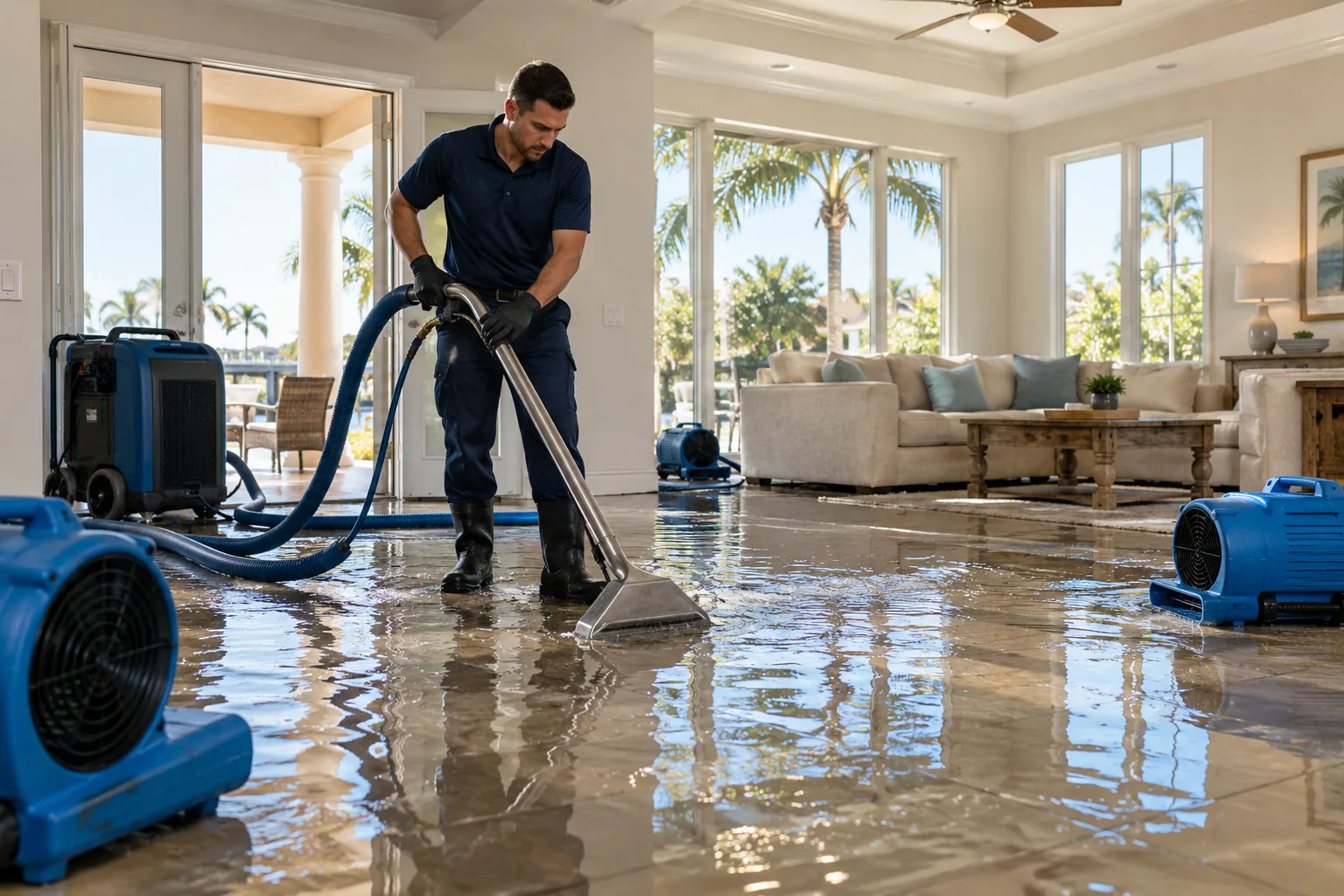
Water Damage Restoration
Water extraction, cleanup, moisture assessment, structural drying and restoration planning for homes and businesses.
Explore service →Skyfold Restoration helps property owners navigate water, fire, storm and biohazard damage with organized emergency response, cleanup, drying, documentation and restoration planning.
Tell us what happened and where the property is located. A callback request can include your ZIP and service need.
The right first step depends on the loss. Choose the path that matches the situation, then move into the detailed service and location guidance.
Water extraction, cleanup, moisture assessment, structural drying and restoration planning for homes and businesses.
Explore service →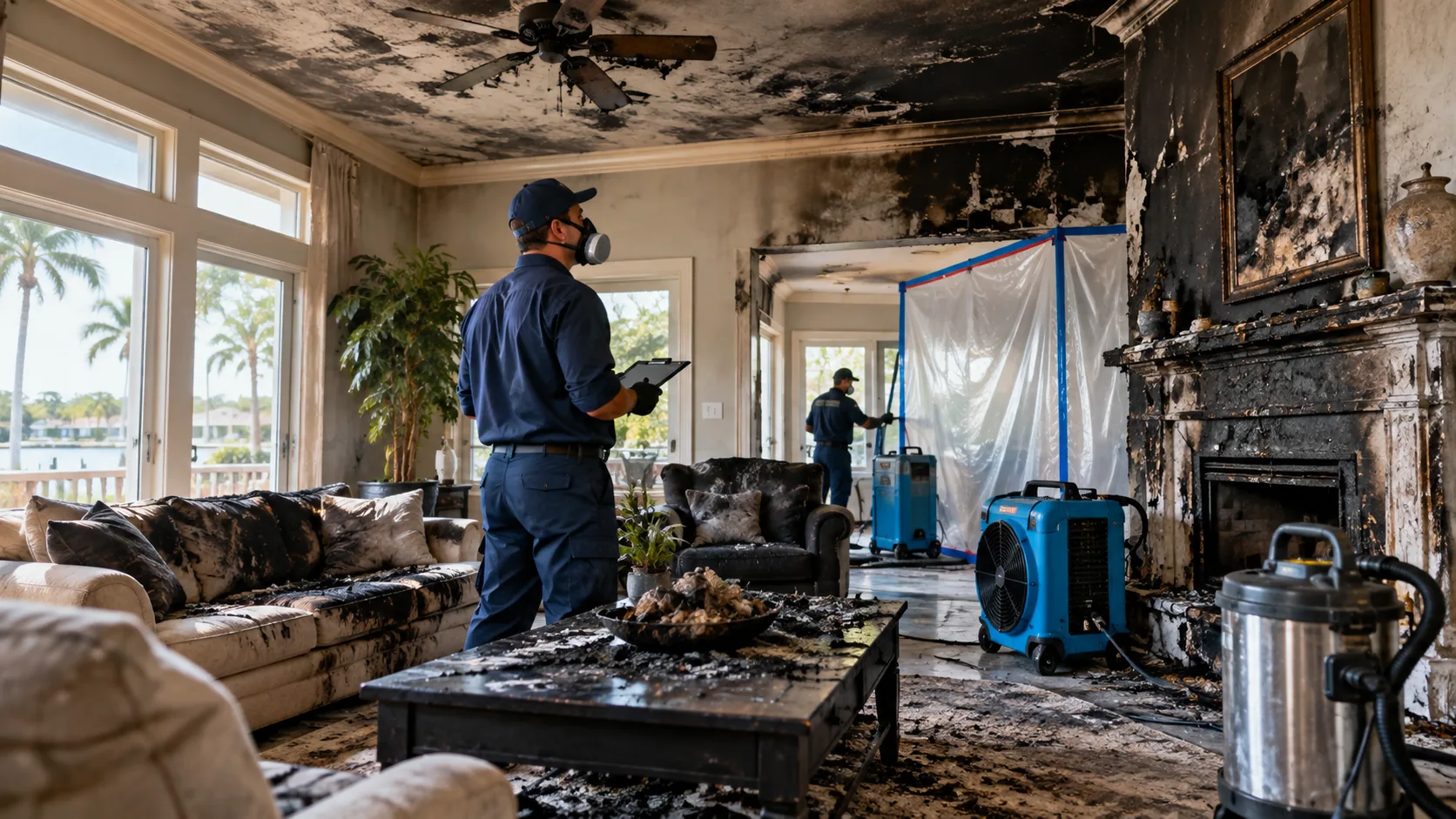
Fire, smoke and soot cleanup with property stabilization, contents coordination, odor control and restoration planning.
Explore service →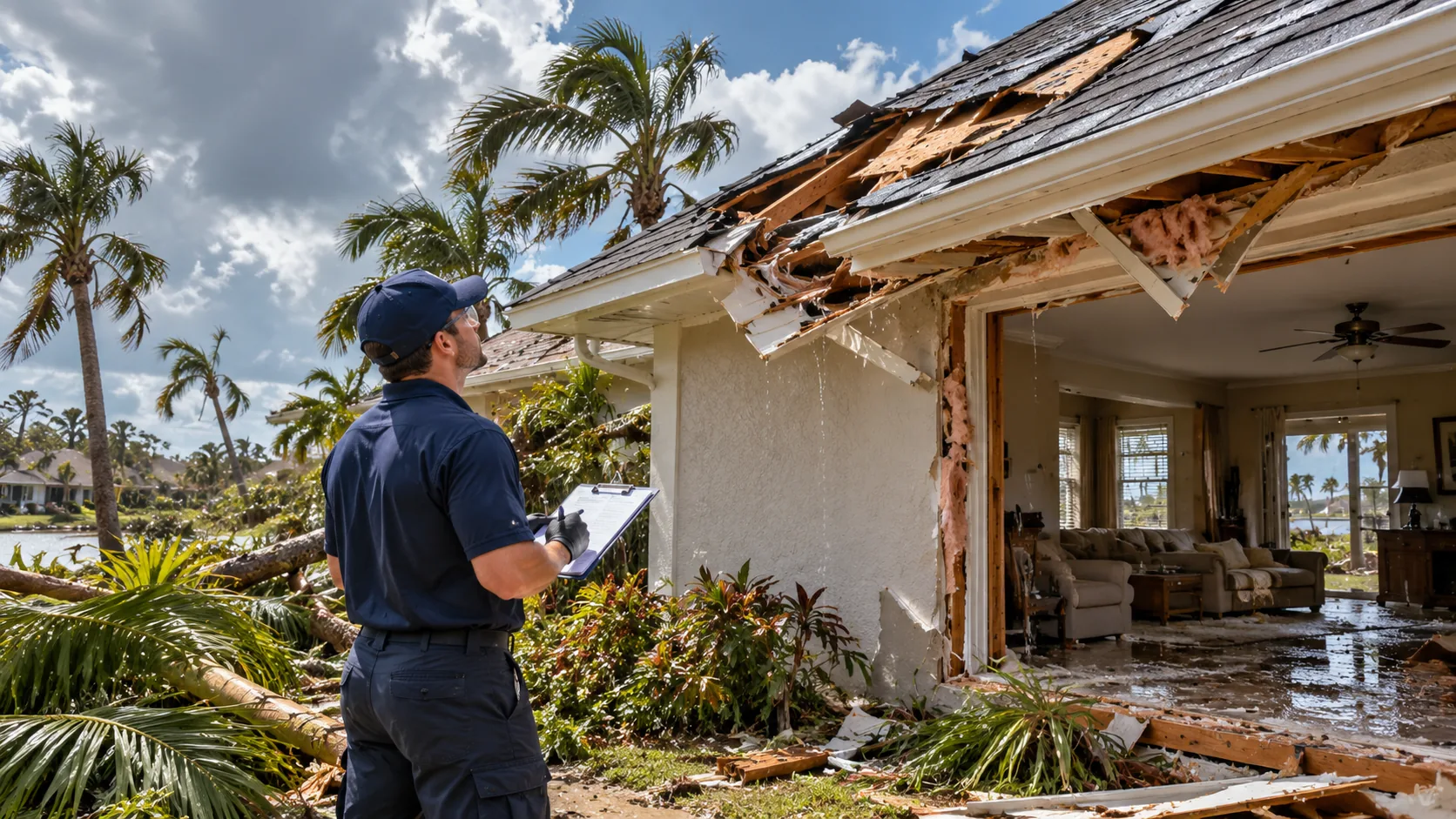
Storm and hurricane damage response for roof intrusion, wind damage, flooding, debris and temporary property protection.
Explore service →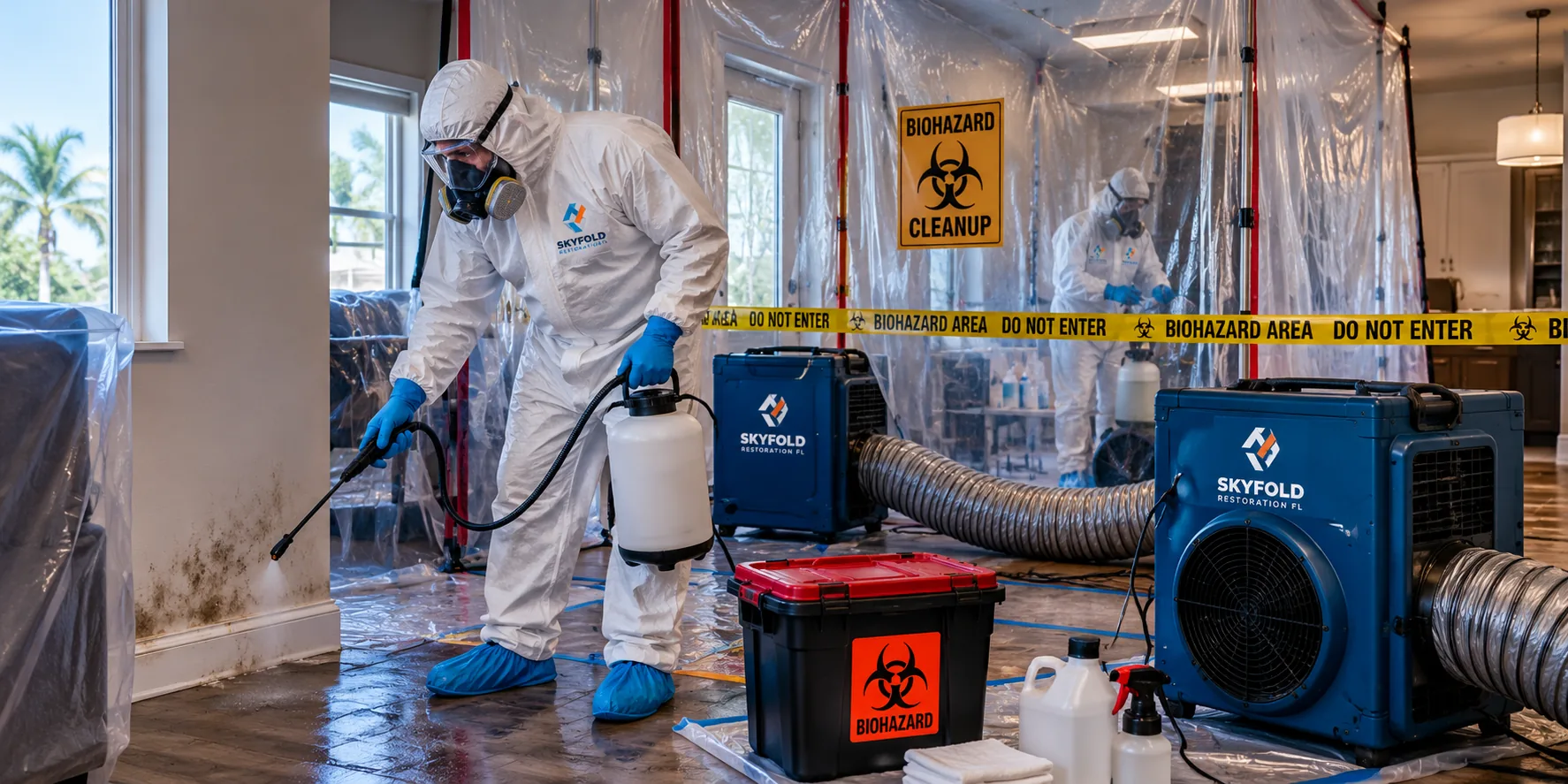
Professional biohazard cleanup, containment, decontamination and sanitation for sensitive property situations.
Explore service →Property damage can change quickly. Safety, source control, temporary protection, moisture assessment and documentation should come before assumptions about the final repair scope.
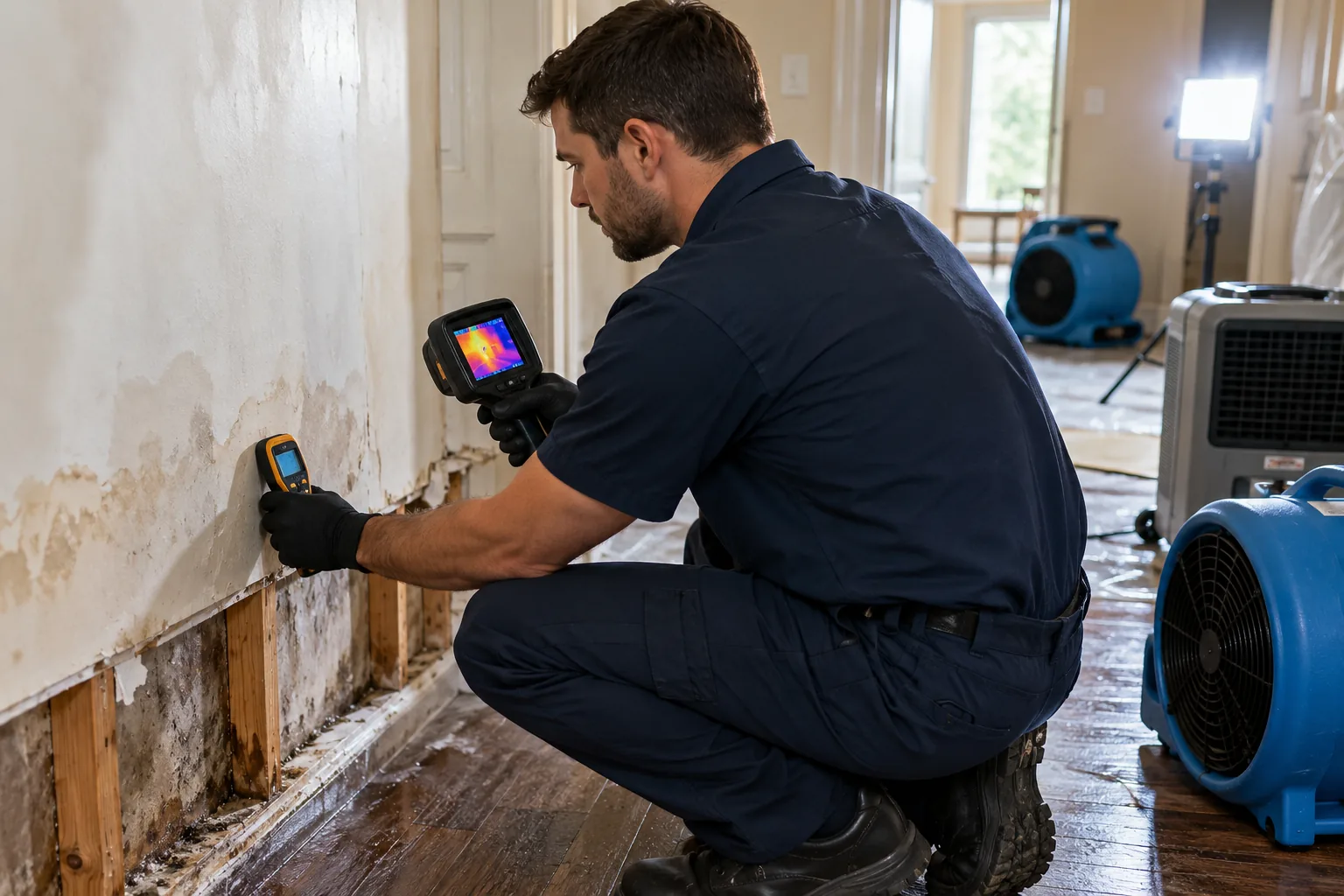
The work is scoped around site conditions, affected materials, safety, access, occupancy and the type of damage present.
The work is scoped around site conditions, affected materials, safety, access, occupancy and the type of damage present.
The work is scoped around site conditions, affected materials, safety, access, occupancy and the type of damage present.
The work is scoped around site conditions, affected materials, safety, access, occupancy and the type of damage present.
The work is scoped around site conditions, affected materials, safety, access, occupancy and the type of damage present.
The work is scoped around site conditions, affected materials, safety, access, occupancy and the type of damage present.
A strong restoration plan follows the actual loss rather than forcing every property into the same checklist.
Assessment should consider the source, affected materials, hidden conditions, access and the next safe decision.
Assessment should consider the source, affected materials, hidden conditions, access and the next safe decision.
Assessment should consider the source, affected materials, hidden conditions, access and the next safe decision.
Assessment should consider the source, affected materials, hidden conditions, access and the next safe decision.
Assessment should consider the source, affected materials, hidden conditions, access and the next safe decision.
Assessment should consider the source, affected materials, hidden conditions, access and the next safe decision.
Assessment should consider the source, affected materials, hidden conditions, access and the next safe decision.
Assessment should consider the source, affected materials, hidden conditions, access and the next safe decision.
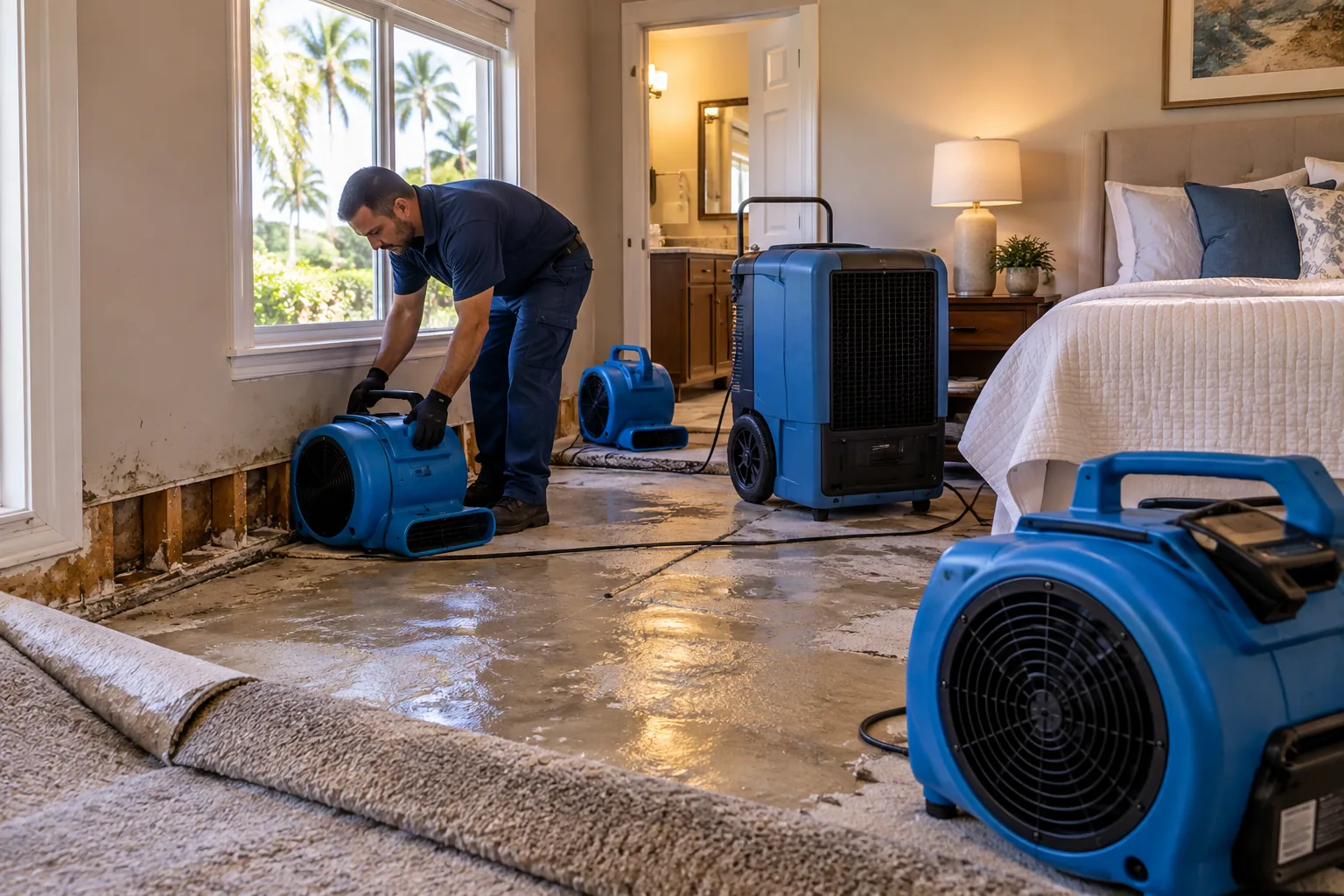
Water can move into flooring, drywall, cabinetry, insulation and other assemblies. Visible puddles are only one part of a moisture assessment.
Use the regional hubs for broader coverage, then open a city page and its service-specific child page for the most focused search intent.
Regional restoration resources, city links and service coverage.
Regional restoration resources, city links and service coverage.
Regional restoration resources, city links and service coverage.
Regional restoration resources, city links and service coverage.
Regional restoration resources, city links and service coverage.
Regional restoration resources, city links and service coverage.
Regional restoration resources, city links and service coverage.
The affected space, occupants, access and property use all influence the work plan.
The affected space, occupants, access and property use all influence the work plan.
The affected space, occupants, access and property use all influence the work plan.
The affected space, occupants, access and property use all influence the work plan.
The affected space, occupants, access and property use all influence the work plan.
Photos, source details, affected-area notes, mitigation records and progress documentation can make restoration and insurance conversations easier to follow. Coverage decisions remain with the insurance carrier.
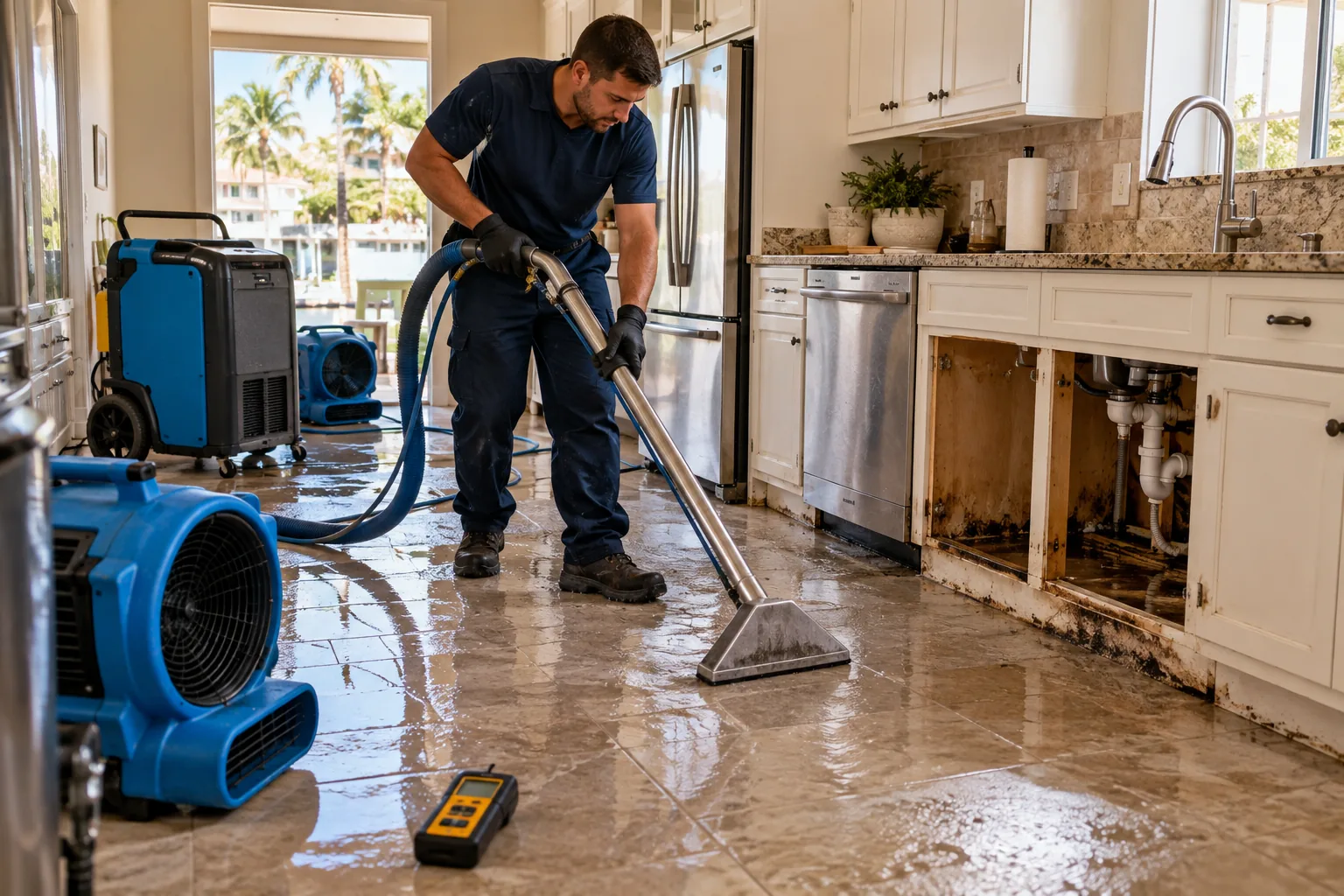
Make the area safe, stop the source only when it is safe to do so, keep people away from electrical hazards, document visible conditions and arrange an assessment when water has reached building materials or hidden spaces.
Extraction removes accessible water, but restoration also considers moisture in floors, walls, cabinets, ceilings and other materials. Drying and verification are important because visible water can disappear before materials are actually dry.
Yes. Moisture can move into assemblies that are not immediately visible. A proper assessment uses the source, affected materials, visible conditions and moisture information to determine the drying scope.
Timing depends on the amount and location of water, material type, access, moisture conditions, contamination concerns and the work required after drying. A property-specific assessment is more useful than a fixed promise.
Yes, when it is safe. Record the affected rooms, visible materials, source if known, discovery time and changes before cleanup alters the scene. Coverage decisions remain with the insurance carrier.
Tell us the city, ZIP and damage type. Start with safety, then call the emergency line when conditions are active or changing.